
This page has been written and reviewed by Miss Zainab Khan MD FRCOG, Consultant Gynaecologist with a subspecialty in Urogynaecology. Miss Khan provides private general gynaecology consultations at Ashtead Hospital, Spire St Anthony's Hospital (Sutton), and Parkside Hospital (Wimbledon). To book a consultation, contact her secretary on +44 (0)7859 896 297 or at epsomurogynaecology@gmail.com.
Menstrual disorders encompass a range of conditions that affect the normal menstrual cycle, including irregularities in timing, duration, and flow. These disorders can significantly impact a woman's physical and emotional well-being.
Understanding the causes, diagnosing the conditions accurately, and implementing effective treatments are crucial for improving the quality of life for individuals experiencing menstrual disorders.

Polycystic Ovary Syndrome (PCOS):
Characterised by an imbalance of hormones, especially elevated levels of androgens (male hormones).
Leads to irregular menstrual cycles, anovulation, and ovarian cysts.
Thyroid Disorders:
Hypothyroidism or hyperthyroidism can disrupt the hormonal balance and affect menstrual regularity. Normalising the thyroid levels, improves the menstrual cycle.
Premature Ovarian Insufficiency (POI):
Occurs when ovaries cease normal function before the age of 40, leading to irregular or absent periods.
Uterine Fibroids:
Non-cancerous growths in the uterus that can cause heavy or prolonged menstrual bleeding.
Endometriosis:
The presence of endometrial tissue outside the uterus, causing pain, irregular bleeding, and infertility.
Stress:
Chronic stress can disrupt the hypothalamus-pituitary-ovarian axis, affecting menstrual cycles.
Extreme Exercise or Weight Changes:
Intense physical activity or rapid weight loss/gain can impact hormonal balance.
Medical History and Physical Examination:
1) Menstrual History:
Detailed inquiry into menstrual patterns, symptoms, and any associated factors.
2) Physical Examination:
Pelvic examination to assess the reproductive organs and identify any structural abnormalities.
Laboratory Tests:
1) Hormone Levels:
Blood tests to measure levels of oestrogen, progesterone, and thyroid hormones.
2) Ultrasound Imaging:
Transvaginal or pelvic ultrasound to visualize the reproductive organs and detect abnormalities.
3) Endometrial Biopsy:
Removal of a small tissue sample from the uterine lining to assess for abnormal cell growth.
Medications:
a. Hormonal Therapy:
Combined oral contraceptive pill, hormone replacement therapy, or medications to regulate hormonal levels.
b. Nonsteroidal Anti-Inflammatory Drugs (NSAIDs):
To alleviate pain and reduce menstrual flow.
Surgical Interventions:
a. Dilation and Curettage (D&C):
Removal of excess tissue from the uterine lining.
b. Myomectomy or Hysterectomy:
Surgical removal of uterine fibroids or, in severe cases, the uterus.
Lifestyle Modifications:
Stress Management:
Techniques such as yoga, meditation, and counseling to address stress.
Healthy Diet and Exercise:
Maintaining a balanced lifestyle to support overall well-being.

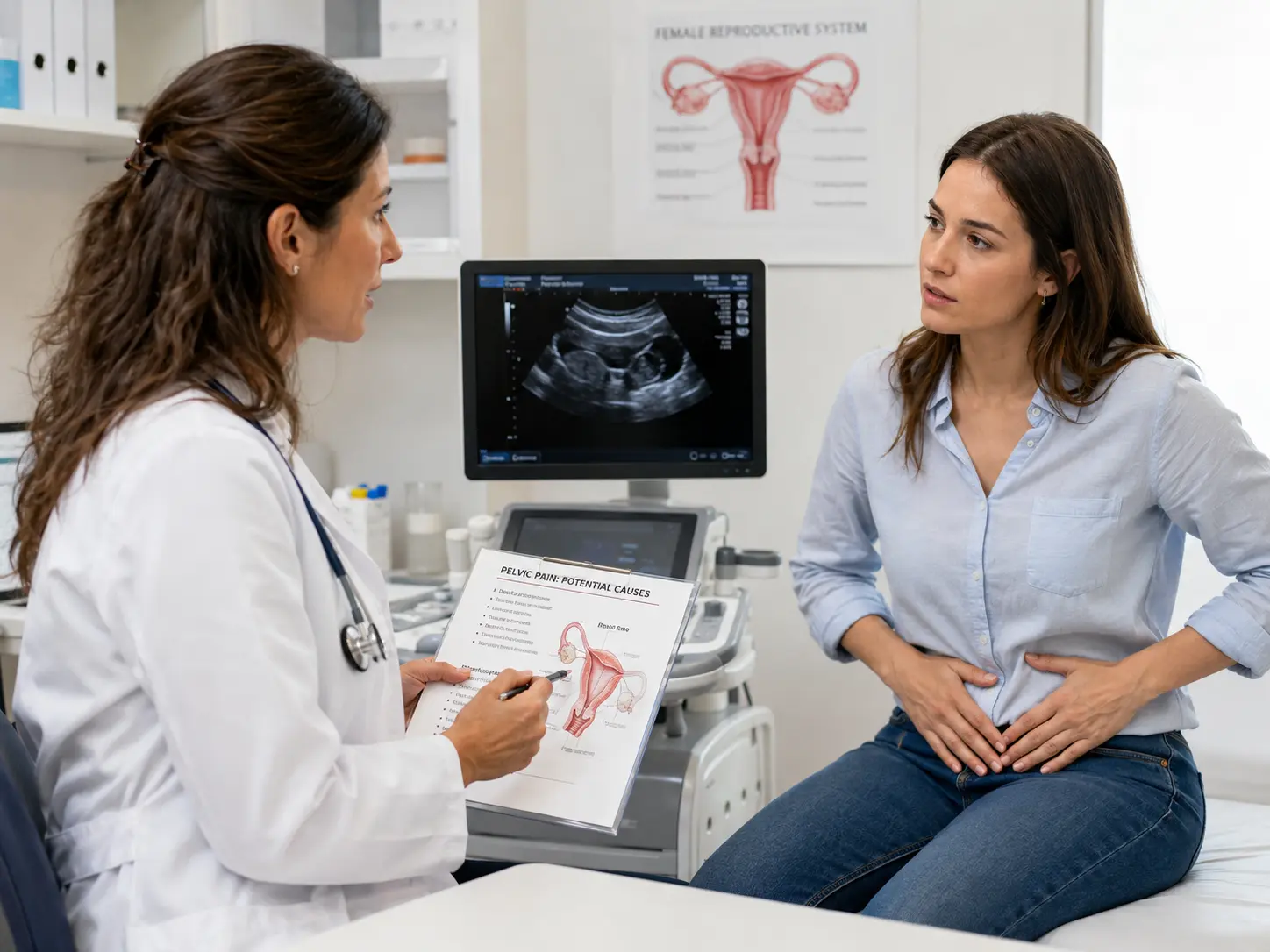
Chronic pelvic pain (CPP) is a persistent and debilitating condition characterized by pain in the pelvic region lasting for at least six months. It significantly impacts a woman's quality of life, often affecting physical, emotional, and social well-being.
Understanding the various causes, accurate diagnosis, and implementing effective management strategies are crucial for providing relief and improving the overall health of individuals experiencing chronic pelvic pain.
Gynaecological Causes:
Endometriosis:
The presence of endometrial tissue outside the uterus can lead to inflammation and chronic pain.
Pelvic Inflammatory Disease (PID):
Infection of the female reproductive organs, often resulting from sexually transmitted infections.
Adenomyosis:
The invasion of endometrial tissue into the muscular layer of the uterus, causing pain and discomfort.
Urological Causes:
Interstitial Cystitis/Bladder Pain Syndrome (IC/BPS):
Chronic inflammation of the bladder wall, leading to pelvic pain and urinary symptoms.
Chronic Pelvic Bladder Syndrome:
Dysfunction of the pelvic floor muscles and connective tissue, contributing to pain.
Gastrointestinal Causes:
Irritable Bowel Syndrome (IBS):A functional gastrointestinal disorder associated with abdominal pain, bloating, and changes in bowel habits.
Inflammatory Bowel Disease (IBD):
Conditions like Crohn's disease or ulcerative colitis can cause pelvic pain.
Musculoskeletal Causes:
Pelvic Floor Dysfunction:Dysfunction of the muscles, ligaments, and connective tissues in the pelvic region.
Myofascial Pain Syndrome:
Chronic pain condition involving trigger points in muscles and fascia.
Comprehensive Medical History:
Pain Assessment:
Detailed exploration of the location, intensity, and character of the pain.
Pelvic Examination:
Physical examination to assess the pelvic organs, muscles, and identify any abnormalities.
Imaging and Laboratory Tests:
Ultrasound and MRI:
Imaging studies to visualize the pelvic organs and rule out structural abnormalities.
Laparoscopy:
Minimally invasive surgery to directly visualize and diagnose conditions like endometriosis.
Urinalysis and Cultures:
To rule out urinary tract infections and other urological conditions.
Colonoscopy and Gastrointestinal Studies:
Evaluation of the digestive tract for gastrointestinal causes.
Multidisciplinary Approach:
Pain Management:
Medications, including analgesics, anti-inflammatory drugs, and muscle relaxants.
Physical Therapy:
Pelvic floor rehabilitation and exercises to address musculoskeletal causes.
Psychological Support:
Counselling and stress management to address the emotional impact of chronic pain.
.
Lifestyle Modifications:
Diet changes, exercise, and stress reduction strategies.
Targeted Treatments:
Hormonal Therapy:
For conditions like endometriosis or hormonal imbalances.
Surgical Interventions:
Laparoscopic procedures to remove endometriosis or address structural abnormalities.
Neuromodulation:
Techniques such as nerve blocks for pain relief.
Polycystic ovary syndrome (PCOS) is a common hormonal disorder affecting people with ovaries during their reproductive years. Key features include irregular menstrual cycles, hyperandrogenism (elevated androgen levels), and polycystic ovaries seen on ultrasound. Insulin resistance is also common, contributing to metabolic issues like obesity and an increased risk of type 2 diabetes and cardiovascular disease.
Diagnosis involves a combination of medical history, physical examination, and laboratory tests, considering criteria such as irregular menstrual cycles, signs of hyperandrogenism, and exclusion of other conditions. Treatment focuses on managing symptoms and may include lifestyle modifications, medications like birth control pills or anti-androgens, and interventions for fertility, such as assisted reproductive technology. Long-term health considerations include monitoring for type 2 diabetes and cardiovascular risks, emphasizing the importance of a personalised treatment plan and regular medical check-ups for individuals with PCOS.
Menopause is a natural biological process marking the end of a woman's reproductive years, typically occurring in their late 40s or early 50s. It is characterised by the cessation of menstrual cycles, as the ovaries gradually reduce their production of oestrogen and progesterone. Common symptoms of menopause include hot flashes, night sweats, mood swings, vaginal dryness, and changes in sleep patterns. While menopause is a natural transition, its symptoms can significantly impact a woman's quality of life. Additionally, the hormonal changes during menopause may contribute to an increased risk of osteoporosis and cardiovascular disease.
Treatment options for managing menopausal symptoms vary and can be tailored to an individual's specific needs and health profile. Hormone Replacement Therapy (HRT) is a common approach, involving the use of estrogen and sometimes progesterone to alleviate symptoms like hot flashes and prevent bone loss. However, the decision to pursue HRT should be made carefully, considering potential risks and benefits. Non-hormonal therapies, such as selective serotonin reuptake inhibitors (SSRIs) or serotonin-norepinephrine reuptake inhibitors (SNRIs), may be prescribed to address mood swings and alleviate symptoms. Lifestyle modifications, including regular exercise, a balanced diet, and stress management, can also contribute to overall well-being during the menopausal transition.
Postmenopausal bleeding refers to any vaginal bleeding that occurs after a woman has undergone menopause, which is defined as the absence of menstrual periods for 12 consecutive months. While it's normal for women to experience changes in their menstrual patterns during perimenopause, any bleeding that occurs after menopause is considered abnormal and should be promptly evaluated by a clinician. The underlying causes of postmenopausal bleeding can vary and may include benign conditions such as atrophic vaginitis (thinning and inflammation of the vaginal walls due to reduced estrogen levels), endometrial atrophy, or the use of hormone replacement therapy. However, it can also be a sign of more serious conditions, including endometrial hyperplasia or endometrial cancer, which is why timely medical attention is crucial.
The evaluation of postmenopausal bleeding typically involves a thorough medical history, physical examination, and diagnostic tests such as transvaginal ultrasound, endometrial biopsy, or hysteroscopy. Early detection and diagnosis are essential, as any delay in identifying potential causes, especially if cancerous, can impact treatment outcomes. Treatment will depend on the underlying cause, ranging from hormonal therapy for benign conditions to more aggressive interventions like surgery or chemotherapy for cancer.
Ovarian cysts are fluid-filled sacs that can develop on or within the ovaries, and they are a common occurrence among women of reproductive age. Most ovarian cysts are harmless and resolve on their own without causing noticeable symptoms. However, some cysts may grow larger, become painful, or lead to complications. There are various types of ovarian cysts, including functional cysts, which form during the menstrual cycle, and pathological cysts, which can be caused by abnormal cell growth or conditions such as endometriosis.
The symptoms of ovarian cysts can vary and may include pelvic pain or discomfort, bloating, changes in menstrual patterns, and pain during intercourse. While many cysts are benign, some may pose a risk of rupture or torsion, a painful twisting of the ovary. Diagnostic tools such as ultrasound imaging and blood tests can help identify the type and characteristics of cysts. Treatment options depend on factors like the size, type, and symptoms of the cyst. Small, functional cysts often resolve on their own, while larger or more complex cysts may require medical intervention. In some cases, healthcare professionals may recommend monitoring, medications to regulate hormonal imbalances, or surgical procedures such as cystectomy or oophorectomy to remove the cyst or the affected ovary.
Vaginitis refers to the inflammation of the vagina, and it is a common condition affecting women of all ages. The inflammation can result from various causes, including infections, irritants, or hormonal changes. Bacterial vaginosis, candidiasis (yeast infection), and trichomoniasis are common infectious forms of vaginitis. Bacterial vaginosis occurs when there is an imbalance in the bacteria normally present in the vagina, leading to an overgrowth of harmful bacteria. Yeast infections, caused by the overgrowth of Candida species, often result in itching, burning, and a thick, white discharge. Trichomoniasis is a sexually transmitted infection caused by a parasite, resulting in itching, redness, and a frothy, yellow-green discharge.
Non-infectious forms of vaginitis can be triggered by irritants such as perfumed soaps, douches, or latex condoms, as well as hormonal changes during pregnancy or menopause. Symptoms of vaginitis may include itching, burning, abnormal discharge, and discomfort during urination or sexual intercourse. Diagnosis involves a thorough medical history, physical examination, and may include laboratory tests to identify the specific cause. Treatment varies based on the underlying cause and may involve antibiotics for infections, antifungal medications for yeast infections, or the avoidance of irritants for non-infectious forms. Maintaining good hygiene practices, avoiding irritants, and practicing safe sex can contribute to preventing vaginitis, and seeking prompt medical attention is essential for accurate diagnosis and effective management.